

Businesses in UAE are undergoing a rapid transformation, marked by evolution and growth. To keep pace, HR is changing significantly, driven by top HR trends in the UAE and cutting-edge technologies. Navigating the complexities of a global workforce is a major challenge for HR professionals and requires innovative solutions.
Looking ahead, it's essential to anticipate the upcoming HR trends that will shape the future of workforce management. By proactively embracing these trends, organizations in UAE can position themselves for sustained success in the ever-evolving business environment.
What are the HR Trends in UAE?
The future of HR in the UAE will be shaped by the nation’s rapid economic growth and technological advancements, requiring constant adaptation to new workplace demands. One of the most significant developments is the growing investment in virtual work environments. With technologies such as augmented reality, virtual reality, and even the metaverse of HRMS gaining traction, companies in the UAE are expected to create immersive digital workspaces that strengthen hybrid models, boost collaboration, and improve productivity across global teams.
Alongside this digital transformation, sustainability will play an equally important role. As the UAE advances toward its Net Zero 2050 target, HR strategies will increasingly incorporate environmentally responsible practices. This means embedding ESG principles into workflows and equipping employees with the skills to operate in a greener, more resource-conscious way.
Altogether, the UAE’s HR trends are moving toward a future where immersive technology, sustainable practices, and inclusive workplaces converge to create a dynamic and forward-looking employment ecosystem.
Top Human Resource Trends in UAE 2026
HR in the UAE is rapidly transforming, fueled by digital adoption, employee-focused initiatives, and global workforce integration. Companies are shifting from traditional HR practices to modern, tech-driven strategies that prioritize efficiency, inclusivity, and employee experience. These human resource trends are reshaping how organizations attract, retain, and empower talent in a competitive business landscape.
1. Automating manual HR activities
The surge in the adoption of HR Software in UAE among organizations is reaching unprecedented levels. The major role of HR Software extends beyond merely streamlining manual HR tasks; it is set to revolutionize processes, from digitizing recruitment procedures to evaluating employee performance. This tool serves multiple functions within an organization.
One HR trends in UAE standout feature of HR Software in UAE is its integration of data analytics, enabling organizations to make informed decisions grounded in key metrics rather than just relying on assumptions. This data-driven HRMS approach empowers organizations to take strategic action at both the individual employee level and across the organization.
2. HR Automation using AI Agents
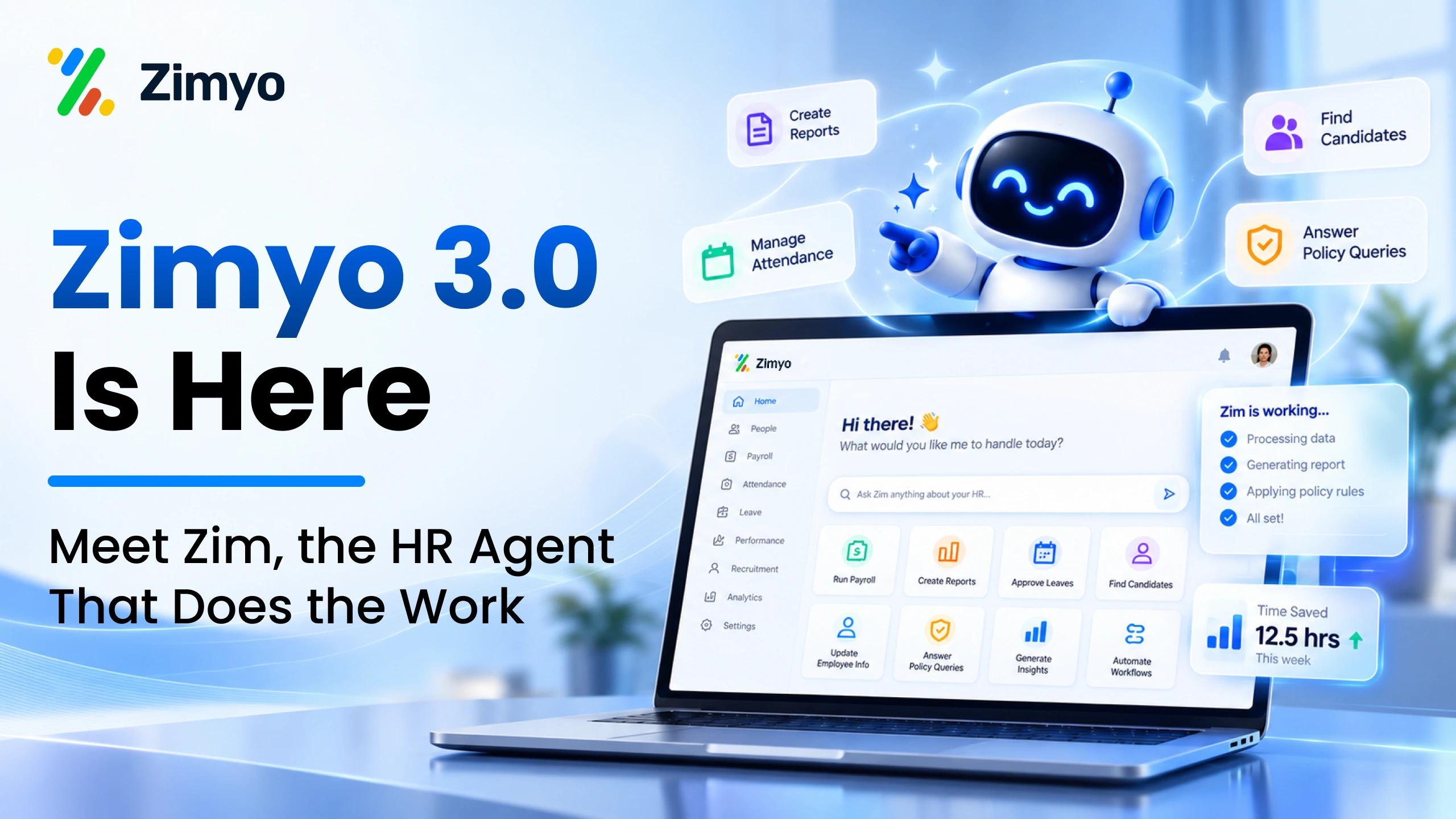
AI-powered HR agents are emerging in the UAE and are set to become a major trend in HR automation. These agents are expected to increase efficiency and speed in decision-making while handling various employee-related activities.
By reducing manual effort and providing faster, data-driven insights, AI agents can improve operational efficiency and enable quicker decision-making across the employee lifecycle
3. Prioritizing employee health and well-being
In addition to other HR trends in the UAE, achieving targeted goals and success requires prioritizing employee health and well-being as a crucial factor for organizational growth. Thus, organizations must place a dedicated focus on fostering employee health and well-being. Initiating comprehensive employee health and awareness programs can significantly raise awareness of emerging mental health concerns among employees.
4. Inclusion of Remote and Hybrid work models
The global workforce is increasingly demanding remote and hybrid work models. Unforeseen and unpredictable events, along with these human resource trends, highlight the importance of incorporating flexible work arrangements. These models empower employees with the choice to seamlessly switch between working from home and the traditional office setting.
Beyond enhancing flexibility, this approach enables organizations to tap into a diverse and global talent pool. Embracing remote and hybrid work not only addresses current challenges but also helps organizations thrive in a dynamic landscape.
5. Reporting and Data Analytics
The use of data analytics and reporting to make pivotal decisions within organizations is steadily rising. The integration of artificial intelligence (AI) in HR technology has notably increased productivity. In the UAE business landscape, there is a gradual shift toward relying on data analytics rather than making decisions based on assumptions. This shift improves decision-making and ensures accurate cost analysis.
6. Analyzing the Performance of Employees
Measuring and analyzing employee performance management is a critical aspect for informed decision-making within organizations. Traditional methods, often considered inadequate and rigid, have given way to more agile approaches.
In response, organizations are shifting toward modern HRMS methods, such as Objectives and Key Results (OKRs), Key Performance Indicators (KPIs), goal-setting frameworks, and regular feedback mechanisms. These tools provide a more comprehensive understanding of employee performance. The shift toward these modern evaluation methods reflects a commitment to dynamic, adaptive strategies.
7. Promoting Learning and Development of employees in the workplace
A learning culture and human resource trends in an organization are positive indicators of growth and success. Therefore, cultivating such a culture is essential, as organizations invest in the continuous learning and development of their employees.
HR professionals in the UAE should also lead the organization of training sessions, workshops, and skill development programs, ensuring employees can continually refine and enhance their skills. As a result, this commitment to ongoing learning with LMS not only enhances individual competencies but also equips employees to remain competitive in the dynamic landscape of their respective industries.
8. Diversity, Equity, and Inclusion (DEI)
DEI plays an important role in the organizational capabilities within the UAE. Cultural diversity has become more dominant for companies, including having different nationalities and races as constituents of teams. The strength of diversity lies in equal opportunities and in major leadership positions that can enable women to take such posts. More firms are also creating positive representation of people with disabilities in the workplace by implementing policies and accommodations to recruit inclusively.
9. Skill-Based AI recruitment
In the UAE, Talent Mobility and a global workforce are key HR trends as companies focus on attracting international talent and promoting internal mobility.
With the UAE’s ambition to be a global business hub, organizations are recruiting from diverse global talent pools, leveraging visa reforms like the Golden Visa. Companies are also promoting cross-border mobility, allowing employees to move between locations for broader experience. In addition, many companies are embracing remote and hybrid work models with ATS in UAE where flexibility enables them to tap talent anywhere in the world while ensuring seamless collaboration through various digital means.Skill based hiring trend bolsters agility and competitiveness at the organization level. Organizations with ATS can fill more positions faster, reduce potential bias, and ensure a more inclusive hiring approach focused on actual job performance and potential.
10. Enhancing Employee Experience and Engagement
Meanwhile, the significance of human resource trends in employee experience cannot be overstated within organizations. A positive employee experience not only helps build a strong brand image but also positions the organization in a competitive industry.
To enhance employee engagement, organizations are implementing measures that range from streamlining the onboarding process to fostering a collaborative workplace culture. Together, these efforts help create a positive work environment for employees.
Moreover, a favorable employee experience with HRIS is a powerful indicator of employee retention. As a result, employees feel valued and supported; they are more likely to remain committed to the organization. Thus, HR trends in the UAE translate into long-term benefits for the organization, including increased productivity, a positive workplace reputation, and a stable, dedicated workforce.
HR Professionals as Strategic Drivers of Change
These days, HR professionals in the Middle East business scene are no longer stuck in the back office they are transforming into key strategic collaborators. Their functioning with these future HR trends in UAE is pivotal to driving organizational change by:
- Developing robust data analytics capabilities to inform fact-based decisions.
- Getting a handle on contemporary HR technology to produce quicker, better, and more impactful results.
- Enhancing change management capabilities to lead digital transformation using predictive and analytical models.
- Keeping up with global HR trends and adapting them effectively to local requirements.
How Zimyo Streamlines HR-Payroll Integration
Zimyo provides an integrated cloud-based HRMS solution to streamline workforce management and remove manual inefficiencies. With robust time and attendance capabilities, Zimyo makes it easy for organizations to track employee working hours with precision while minimizing errors and time theft through automation.
The platform extends beyond mere attendance tracking it accommodates shift scheduling, leave and overtime administration, and local labor law compliance. Hr trends in UAE: Pre-set policy configurations enable organizations to tailor workflows to organizational requirements, with automated reporting streamlining monitoring and auditing.
Zimyo integrates perfectly with HR software in UAE, payroll software, producing payroll-ready reports for seamless processing of salaries without manual handling. By merging time-tracking, scheduling, and payroll integration into a single platform, Zimyo enables businesses in the Middle East to improve labor utilization, strengthen compliance, and deliver a superior employee experience.
Conclusion
To conclude, staying attuned to emerging future HR trends 2026 is integral to the growth of any organization. Organizations that adapt to these evolving trends are also better positioned to be productive and aligned with their goals. Furthermore, in today’s business landscape, placing a strong emphasis on employees’ growth and overall development has become imperative. Recognizing employees as invaluable assets is particularly relevant for numerous prominent businesses in the UAE.
As a result, embracing the transformative power of these HR trends in UAE reflects a forward-thinking mindset and positions organizations for sustained success in the UAE’s competitive business landscape. These trends drive greater acceptance of automation, making it easier to schedule a demo and integrate HR software in UAE into day-to-day office tasks.