

If you work in the UAE, knowing your working hours, break rights, overtime, and weekly rest can help you understand what to expect at work. For HR teams and employers, getting these rules right is equally important for managing attendance, payroll, and employee policies.
UAE private-sector employees are covered by specific rules on working hours and leave under the current labor framework. In this guide, we'll break down the key working hours in the UAE, overtime rules, rest periods, public holidays, annual leave, and other important employee entitlements in a simple way.
Rules on Working Hours in UAE
Article 17 of the UAE Labor Law (Federal Decree-Law No. 33 of 2021) sets the general working-hour limits for private-sector employees.
- Most private-sector employees can work a maximum of 8 hours per day or 48 hours per week.
- The Cabinet may increase or reduce working hours for certain economic sectors or categories of workers under the implementing regulations.
- Working hours can also vary depending on the nature of the job, employment arrangement, and work schedule.
- The actual start and end times depend on the employer's work schedule and employment arrangements, provided the applicable working-hour limits are followed.
- Time spent travelling between an employee's home and workplace is generally not counted as working time, subject to specific exceptions under the implementing regulations. This is separate from an employee's Annual Leave in UAE, which is governed by its own statutory rules.
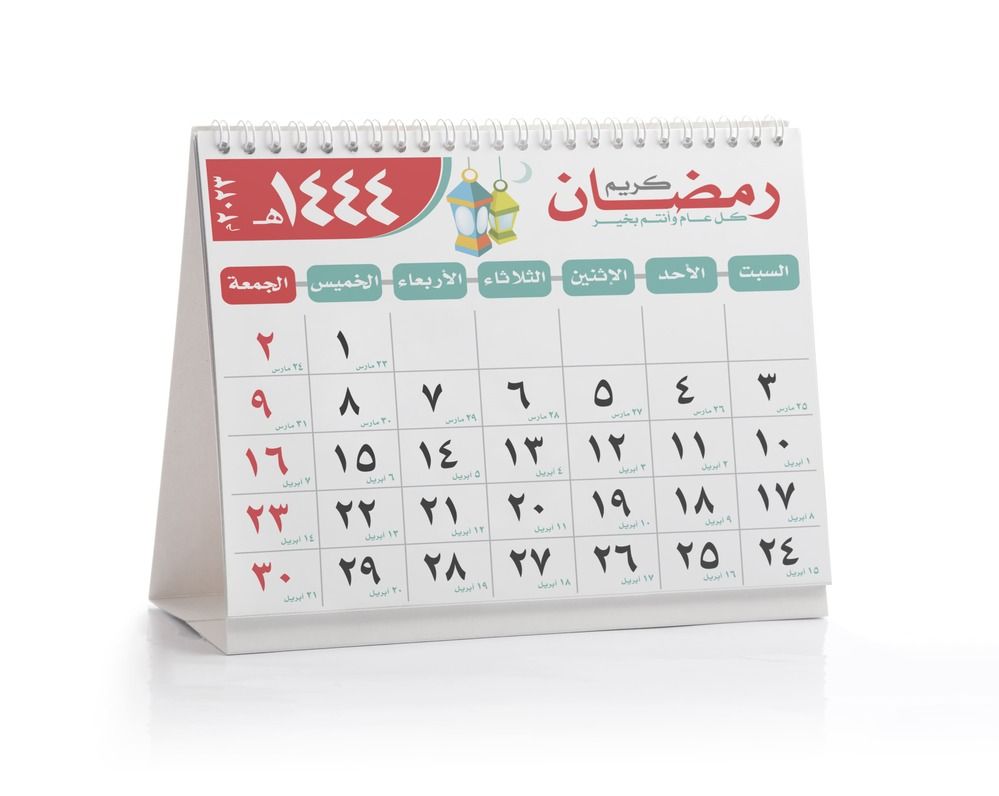
Working hours are also reduced by two hours per day during Ramadan under the applicable regulations.
It is therefore better not to assume that every private-sector employee works a fixed schedule such as 9:00 AM to 6:00 PM. Companies may have different schedules depending on their business requirements and employment contracts.
Rest periods, Meals and Prayers
Article 18 of Federal Decree-Law No. 33 of 2021 requires employers to provide appropriate breaks during working hours.
Under the general rule:
- An employee should not work for more than 5 consecutive hours without a break or breaks.
- The total break time should be at least 1 hour.
- These breaks are generally not counted as working hours.
- Working hours and breaks can be arranged differently for shift-based establishments and certain job categories according to the nature of the work and applicable classifications.
This means employers should structure working schedules so that employees receive the required rest periods rather than working continuously throughout the day.
Overtime Policy in UAE
Under the UAE Labor Law, employers may require additional working hours within the limits and conditions set by the law.
The main overtime rules in the UAE include:
- Normal working hours are generally limited to 8 hours per day or 48 hours per week.
- Overtime may be required when business circumstances make additional working hours necessary.
- Overtime generally cannot exceed 2 additional hours per day, except in situations allowed by law, such as work needed to prevent serious losses or accidents or to address their effects.
- The total working hours must not exceed 144 hours in any three-week period, subject to the exceptions provided under UAE labor law.
- For normal overtime, an employee is generally entitled to the wage for the normal working hours plus an additional 25% of the basic wage.
- Where overtime is performed during the legally specified night period, the applicable additional payment can be 50% of the basic wage, subject to the rules and exemptions that apply to shift workers.
Employers should maintain accurate records of working hours and overtime and ensure that additional working hours remain within the limits prescribed by UAE labor law. Using HR software can help businesses track attendance, working hours, and overtime more accurately.
Employees should also note that the law regulates additional working hours; it does not require employees to be back home within two hours after completing overtime.
Rest Day Policy in UAE
Private-sector employees are entitled to a paid weekly rest day, as specified in the employment contract or applicable work regulations.
The weekly rest day does not have to be Saturday or Sunday for every private-sector employee. Companies may set their weekly rest day according to their business operations, provided they comply with the applicable UAE labor requirements.
The move from a Friday-Saturday weekend to a Saturday-Sunday working week primarily related to the UAE federal government working system. It should not be presented as a mandatory Saturday-Sunday weekend for every private-sector company.
For businesses operating shifts or seven days a week, employers should organize employee schedules so that the required weekly rest entitlement is maintained.
Public holidays in UAE
Employees in the UAE private sector are entitled to official public holidays as provided under UAE labor law and the applicable Cabinet decisions.
Public holidays are separate from an employee's annual leave entitlement.
When an employee is required to work on an official public holiday, the employee must receive compensation according to UAE labor law. Where the employee is not given another day off, MoHRE guidance provides for compensation calculated at 2.50 times the hourly wage.
For accurate payroll processing, HR teams should ensure that public-holiday work is recorded separately and the correct compensation is applied.
Find out more on public holidays in UAE.
Annual Leave Policy in UAE
The UAE Labor Law provides employees with statutory annual leave to support rest and work-life balance.
Under Article 29:
- Employees who have completed one year of service are generally entitled to 30 days of annual leave for each year of service.
- Employees who have completed more than 6 months but less than 1 year of service are generally entitled to 2 days of leave for each month of service.
- Employees are entitled to payment for legally due annual leave in accordance with the applicable rules.
Special Provisions Relating to Annual Leave
Annual leave carry-forward is subject to the UAE Labor Law and its implementing regulations.
Under the implementing regulations:
- An employee may generally carry forward up to half of their annual leave to the following year or agree with the employer to receive a cash allowance, subject to the applicable rules.
- An employer cannot prevent an employee from using accrued annual leave for more than two years unless the employee requests or agrees otherwise under the applicable regulations.
- When employment ends, the employee is entitled to a cash allowance for legally due unused annual leave, calculated according to the basic wage.
Employers should therefore avoid treating annual leave as a simple "use it or lose it" benefit. Leave balances should be tracked carefully and managed according to the statutory rules and company policy.
Compassionate Leave Policy
The UAE Labor Law provides statutory compassionate or bereavement leave for private-sector employees.
An employee is entitled to:
- 5 paid days of leave in the event of the death of a spouse.
- 3 paid days in the event of the death of a parent, child, sibling, grandparent, or grandchild.
The leave starts from the date of death, subject to the applicable requirements for providing proof.
This means compassionate leave should not be described as a leave category that is entirely dependent on an employer's discretion.
Hajj Leave Policy
Private-sector employees are entitled to up to 30 days of unpaid leave to perform Hajj, subject to the applicable conditions under UAE labor law.
Hajj leave is available once during the employee's employment with the same employer. It is a specific statutory leave entitlement and should be treated separately from annual leave.
Employers should maintain proper records of Hajj leave and apply the relevant eligibility and documentation requirements.
How Zimyo Helps in Compliance
Managing working hours, overtime, leave balances, and employee records can become difficult when everything is handled manually. An HRMS can help businesses keep these processes organized and reduce the risk of calculation or record-keeping errors.
With the all-in-one HRMS from Zimyo, businesses can:
- Track employee working hours, attendance, and shifts in one place.
- Monitor overtime and help HR teams apply the appropriate overtime rules.
- Manage annual leave, sick leave, and other leave balances.
- Automate leave requests and approval workflows.
- Integrate attendance and leave data with payroll processing.
- Give employees visibility into their available leave balances.
- Maintain organized employee records and reports for HR and compliance needs.
For UAE businesses, having accurate attendance and leave data can make payroll processing easier and help HR teams respond more efficiently when labor rules or company policies change.
Conclusion
Understanding working hours in the UAE is important for both employees and employers. Under the current UAE private-sector labor framework, employees are generally subject to an 8-hour daily or 48-hour weekly working-hour limit, along with statutory rules covering rest breaks, overtime, weekly rest, public holidays, annual leave, compassionate leave, and other entitlements.
For HR teams, the key is to keep working-hour and leave records accurate and apply the correct rules to each employee. Using an HRMS such as Zimyo can make it easier to manage attendance, overtime, leave, and payroll software while keeping employee processes organized and aligned with UAE requirements.
Ready to Simplify Your HR Management?