

Sick leave in the UAE is something most employees only think about when they actually need it. How many days can you take? Is it fully paid? And what happens to your salary if you're away from work for a longer period? These are common questions, especially when an illness lasts more than a few days.
For private-sector employees, UAE labor law provides sick leave with different pay levels depending on how long you're off. Companies can have their own sick leave policies, but they must follow the legal requirements. This guide explains the sick leave rules, pay structure, medical proof, probation rules, and how sick leave is calculated in simple terms.
What Do You Mean by Sick Leave in UAE?
Sick leave in UAE is the time off an employee is allowed to take when they're unwell and unable to work, along with the salary they're entitled to during that period. It isn't the same as annual leave or a casual day off; it's specifically tied to illness and usually needs to be backed by a medical certificate. Once an employee completes probation, UAE labor law sets out the applicable leave rules and pay structure. A Salary Calculator can also help employees estimate their regular pay, although sick leave pay may be calculated separately based on the applicable rules.
Who Is Eligible for Sick Leave in UAE?
- During probation: Employees on probation generally don't have a paid sick leave entitlement. An employer may still allow unpaid leave in genuine cases, usually where the employee provides valid medical proof.
- After probation: Once an employee is confirmed, the standard 90-day sick leave entitlement in the UAE kicks in fully, and pay is calculated in stages (more on that below).
How exactly leave is administered can vary a little by company, since each employer's sick leave policy in the UAE sits on top of the statutory rules. It's worth checking your HR handbook or employment contract to know where you stand, especially regarding approval and how your pay will be affected.
How Many Sick Leave Days Are Allowed in the UAE? (Sick Leave Calculation UAE)
Sick leave in the UAE can run up to 90 days in a year, and the sick leave calculation in the UAE works out in three stages:
First 15 days – full basic wage
Next 30 days – half of the basic wage
Remaining 45 days – unpaid
These 90 days don't need to be used all at once. The entitlement can be taken continuously or in separate stretches across the year, with paid and half-paid days counted cumulatively. For HR teams, performance management software can work alongside leave tracking tools to keep employee records and absence information organized.
One thing worth clarifying: this 90-day structure covers ordinary illness under the UAE medical leave policy. Work-related injuries and occupational diseases are usually handled under separate compensation and protection provisions, rather than the standard sick leave calculation described above in the UAE (more on that in the next section). If your situation is serious or long-term, it's best to check with HR or MOHRE directly rather than assume you'll automatically get extra time beyond the 90 days.
Sick Leave Calculation UAE: How to Work Out Your Pay
Once you know how many sick days you've taken, working out the pay is fairly straightforward. The basic wage not the total salary with allowances is what the calculation is based on.
Daily basic wage = Monthly basic wage ÷ 30
From there, the formula depends on which stage of the 90 days you're in:
Days 1–15: Daily basic wage × number of days (paid in full)
Days 16–45: (Daily basic wage ÷ 2) × number of days (paid at half rate)
Days 46–90: No pay for these days
Example: If an employee's monthly basic wage is AED 6,000, the daily basic wage works out to AED 200. For the first 15 sick days, they'd be paid the full AED 200 per day. From day 16 onward, that drops to AED 100 per day for the next 30 days. Beyond day 45, no salary is paid for the remaining days.
Keep in mind this calculation only applies to the basic wage, allowances like housing or transport are usually excluded, though this can vary slightly depending on the employment contract. If you're ever unsure how your own sick leave calculation UAE has been worked out, it's worth asking payroll or HR to walk you through the breakdown for your specific case.
When Sick Leave May Not Be Paid or May Be Treated Differently
Sick leave isn't automatically paid in every situation. A few cases are worth knowing about:
1. Illness linked to prohibited substances: If an illness is caused by alcohol, drugs, or other prohibited substances, the employee generally isn't entitled to paid sick leave in the UAE. Under UAE labor law, sick leave is usually treated as misconduct rather than a genuine medical condition, and it can affect the employee's overall entitlement.
2. Working for another employer while on leave: If an employee is found working for another employer during their sick leave, this can affect their entitlement and may expose them to disciplinary action under the applicable law. It isn't simply a matter of the leave being canceled outright; it is treated seriously.
3. Work-related injury or occupational illness: This one gets missed a lot. A workplace injury or occupational illness isn't necessarily "not covered"; it's just governed by a different set of provisions than ordinary sick leave in the UAE. If your condition is linked to your job, it's worth checking with HR whether it's being handled as standard medical leave in the UAE or under the occupational injury framework, since the process and documentation can differ.
How to Apply for Sick Leave in UAE
A few basics to keep in mind so there are no surprises later with approval or pay:
- Employees are generally expected to notify their employer within three working days of the illness or absence and provide the required medical report as part of the standard medical leave process in the UAE.
- The medical certificate must come from an authorized medical provider; this determines both approval and the calculation of your pay for those days.
- Following your company's internal process makes things smoother, but keep in mind that a sick leave policy in the UAE can explain the process; it can't override your statutory rights. A Medical Certificate may also be required to support your sick leave request and confirm the reason for your absence.
Special Situations During Sick Leave
Employer Obligations During Sick Leave
- Can an employer terminate you while you're on sick leave? An employer generally may not terminate an employee for illness while the employee is within their statutory sick leave entitlement. This doesn't mean termination is off the table for any reason during that period; it specifically protects you from being let go because you're sick.
- What happens after the 90 days are used up? Once the full 90-day labor law sick leave entitlement in the UAE has been used and the employee still can't return to work, the employer may consider ending the employment. Even in that case, the employee remains entitled to applicable end-of-service benefits and other amounts due under the law.
- Termination for other reasons: Separately, an employer may take action if an employee doesn't return after approved leave, fails to notify the employer of an absence within the required timeframe, or is found working elsewhere while on leave. These are treated as breaches of process rather than ordinary end-of-entitlement situations.
2. Sick Leave vs Annual Leave
These are two separate entitlements. Falling sick doesn't mean your days get deducted from your annual leave balance; they're tracked and paid differently. An HR system can help keep both balances separate, while a Leave Encashment Calculator can help employees estimate the value of unused annual leave when applicable.
3. Return-to-Work
Depending on how serious the illness was, an employer may ask for medical clearance before you go back to regular duties, especially after a longer absence. This is a normal part of the process and confirms you're genuinely fit to resume work. Employees are also expected to follow any workplace health and safety steps their employer sets out.
4. Documentation Worth Keeping
Good record-keeping helps both sides avoid disputes later:
Employee should keep | Employer should maintain |
|---|---|
Medical certificate/report | Leave records |
Leave application | Documentation of approvals |
Communication with employer | Salary calculation records |
Any related medical documents | Updated leave balances |
4. Health Insurance vs Sick Leave Pay
These are two different things. Health insurance covers eligible medical treatment costs under your policy, while the UAE medical leave policy deals separately with your leave days and how much of your wage you're paid during that time. Having good insurance doesn't change your leave entitlement, and vice versa.
Does Sick Leave Affect Maternity Leave in UAE?
In the UAE, sick leave and maternity leave are separate entitlements, each with its own conditions and pay structure. If a pregnancy-related illness arises before or after maternity leave, it's best to check with HR how that period will be classified. Payroll software can also help HR teams apply the correct leave and pay rules when processing employee salaries.
What to Do If Your Sick Leave Rights Are Violated
Sometimes things don't go the way they should an employee applies for leave and still runs into delays, rejection, or confusion over pay. Employees do have the right to raise a complaint if they feel they've been treated unfairly.
The right channel for this is MOHRE (the Ministry of Human Resources and Emiratization), which handles labor disputes via its website, mobile app, contact center, and service centers. This is the current, reliable route for raising issues regarding leave approval, payment, or your entitlement in general.
How HR Software Helps Manage Sick Leave
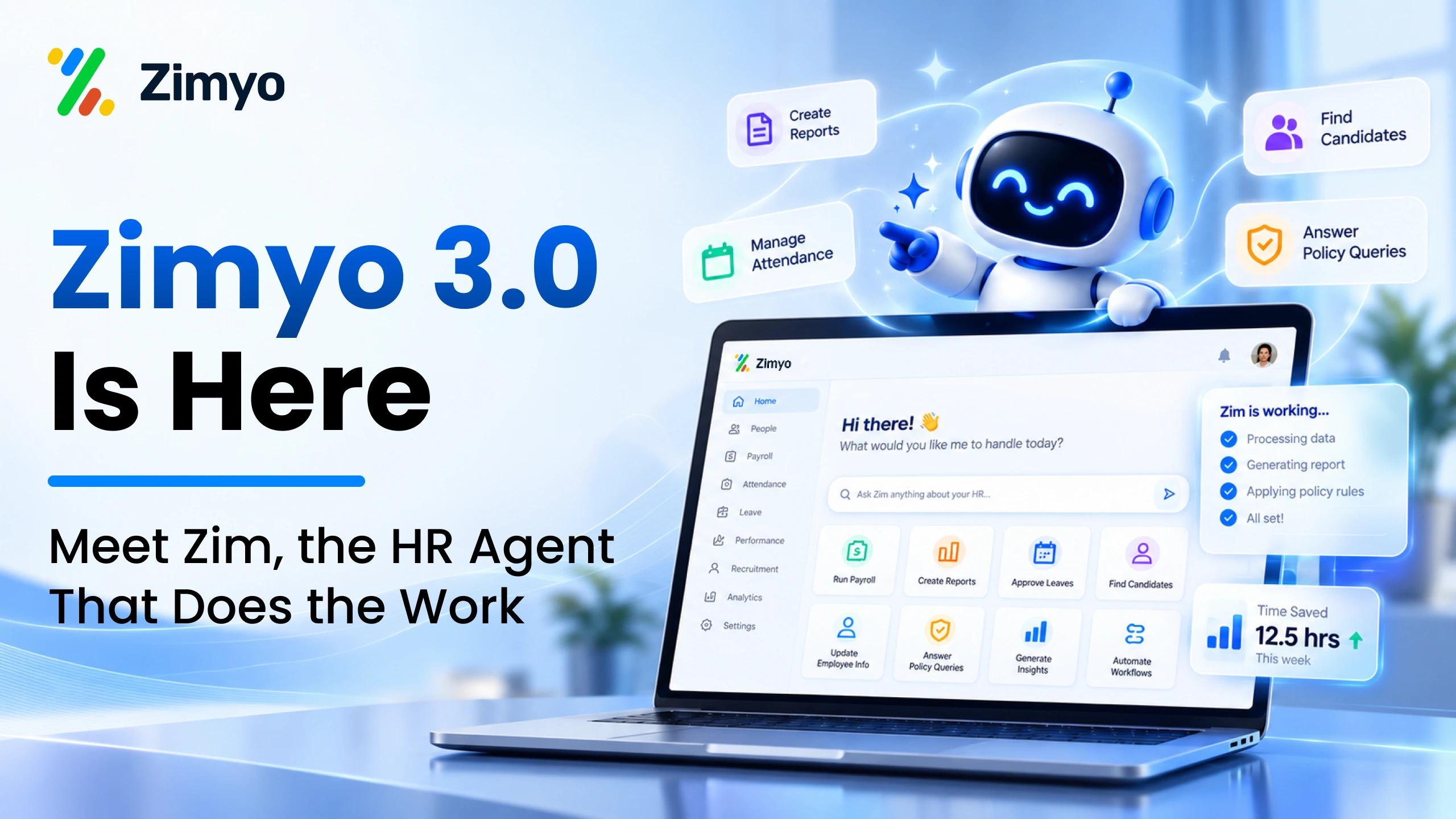
Keeping a sick leave policy in the UAE compliant and staying on top of any changes to labor rules is an ongoing job for HR teams. A platform like Zimyo Payroll can help with:
- Automated Leave Tracking: Paid, half-paid, and unpaid days are tracked automatically as they move through the different stages.
- Custom Leave Policies: Set up your company's own leave rules on top of the statutory ones, including how probation is handled.
- Compliance Support: Helps HR teams keep leave policies aligned with applicable UAE requirements.
- Employee Self-Service: Employees can check balances, apply for leave, and upload documents online.
- HR Dashboard: A centralized view of leave statuses so nothing slips through the cracks.
Conclusion
Sick leave in the UAE protects employees while setting clear rules around eligibility, documentation, leave limits, and pay. Understanding the UAE sick leave rules helps employees check their sick leave entitlement and avoid confusion when applying for leave or reviewing their salary.
For employers, managing a clear sick leave policy in UAE is equally important. HR software like Zimyo can simplify leave tracking, approvals, medical records, and payroll calculations, helping HR teams manage sick leave accurately while staying aligned with UAE labour requirements.