

Have you ever required an employee’s details and found them lying around in a bunch of spreadsheets? How annoying is that? If that has happened to you, then you know what kind of havoc poor employee data management can create.
A chaotic employee data system is costing your business more than you know. From lost opportunities to costly compliance exposures, the consequences are real. But managing employee data doesn’t have to be a headache. The good news? You can break free from this chaos. Here’s how you can establish an organized employee data management system that works for you.
The Value of Employee Data Management
Before discussing the steps, it is important to understand why employee data management isn’t just about keeping everything organized.
- 79% of HR leaders are confident that poor employee data management directly impacts decision-making and workforce planning.
- Companies that use centralized data management systems, on average, enjoy a 15% improvement in overall productivity.
These facts highlight why having proper management of employee information is crucial. Here are steps you can use to do it correctly.
Steps for Employee Data Management
For Employee data management, the steps that are followed are-
Step 1: Start with a Centralized System
Picture having all your employee data personal information, job performance, and compensation details all in one location. It’s not a dream; it’s what a central HR system can provide. Invest in a platform that brings all your HR activities together and puts an end to disparate spreadsheets and files.
A central system guarantees your data is accurate and available when you require it. Further, it assists you in ensuring compliance by maintaining uniform and secure data storage.
Pro Tip: Look for systems that are scalable and customizable so your data management can grow with your business.
Step 2: Keep Data Accurate and Consistent
Good management starts with clean data. Prioritize having uniform formats, frequent updates, and accuracy verification.
Set data-entry rules, including regular reviews and standardized naming conventions. This reduces errors and keeps your data valid, correct, and current.
Step 3: Prioritize Data Security and Compliance
HR departments work with sensitive employee data, from Social Security numbers to bank information. Put strong security procedures in place.
Grant access by role, encrypt sensitive information, and keep up with laws such as GDPR or CCPA. Investing in strong cybersecurity and ongoing compliance training helps keep employee information safe and legally sound.
Step 4: Leverage Data Analytics for Insights
Imagine being able to predict employee turnover or detect skill gaps from just looking at your employee document management. That’s what data analytics can do. With analytical tools, you can see underlying patterns that translate into data-based decisions.
Start with the basics by reviewing attendance trends, job performance metrics, and employee engagement. These can inform decision-making that boosts team performance and job satisfaction.
Step 5: Automate Routine Data Tasks
Automation is not merely a buzzword—it’s revolutionizing HR functions. By automating mundane data management activities such as updating staff records, generating reports, and sending payroll and compliance reminders, you gain precious time for strategic work.
Look for software that provides automated data capture and analysis while integrating seamlessly with your current systems.
Best Practices for Ongoing Employee Data Management
Now that you know the steps, let’s talk about managing employee data in your day-to-day operations.
- Set a Clear Policy for Managing Data: Determine what employee data you will collect, who has access to it, and how you will use and store it. This creates consistency and transparency within the organization.
- Allocate Data Management Responsibilities: Identify and assign individual team members the responsibilities of handling, updating, and auditing employee information. Unambiguous ownership prevents errors and facilitates accountability.
- Perform Routine Data Audits: Periodically audit your employee information to maintain its accuracy and currency. Regular HR audits reveal and correct inconsistencies before they lead to serious errors.
- Enforce Role-Based Data Access: Implement access controls to restrict viewing or modifying sensitive employee data to authorized staff only. This improves security and compliance.
- Backup and Disaster Recovery Plans: Back up employee data regularly and have recovery procedures in place to safeguard against data loss due to unexpected circumstances.
By incorporating these practices into your operations, you can keep your employee data secure, accurate, and ready to deliver valuable insights.
The Role of Technology in Employee Data Management
In the current digital era, technology plays a key role in successful employee data management. A centralized Human Resource Management System (HRMS) can automate processes, improve data accuracy, and strengthen compliance.
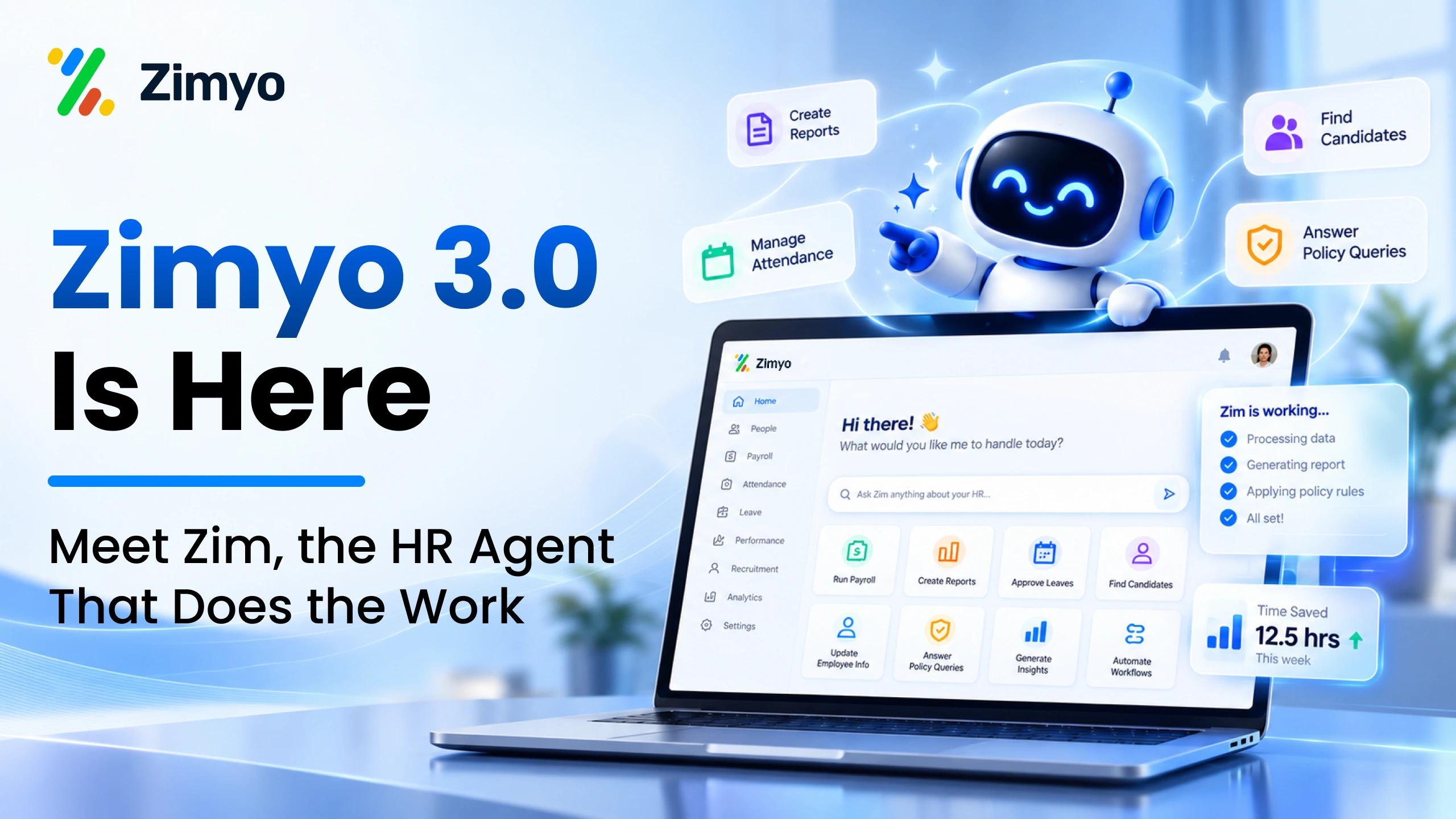
For example, solutions such as Zimyo provide end-to-end capabilities that consolidate employee data, automate processes, and offer analytics to generate actionable insights. These platforms not only simplify data management but also enable HR teams to make data-driven decisions that drive organizational success.
Overcoming Common Challenges
Although the advantages of effective employee data management are evident, organizations struggle with implementation. Some of the common challenges are:
- Resistance to Change: Management and employees might resist implementing new processes or systems.
- Data Migration Issues: Migrating data from old systems to new ones can be time-consuming and complicated.
- Budget Constraints: New technologies can be expensive to invest in.
To address these issues, it’s necessary to:
- Communicate the Benefits: Clearly explain how better data management will improve efficiency and decision-making.
- Carefully Plan the Migration: Create a data migration plan, complete with timelines and assignments.
- Go for Cost-Efficient Options: Look into scalable options within your budget that can expand alongside your organization.
Conclusion
Let’s be honest, employee data doesn’t have to be as tedious as a stack of spreadsheets. Done properly, it can be streamlined, efficient, and even fun.
The good news? These steps pave the way for improved processes and intelligent, data-powered decisions that drive business forward.
With the right tools and strategies, you can build a future where your data not only enables your business but powers it forward. Schedule a demo today to make te data management an easy task with automation.